
Your Support Builds Evidence to Improve Lives
Evidence-based practice defines occupational therapy in the 21st century, and we must act now. AOTF is leading the way as the only national nonprofit dedicated to supporting the urgent, innovative research and future leaders that will build this critical evidence base, but your immediate involvement is essential.
Donor-driven philanthropy has led to new interventions and standardized assessments. It has validated practices, identified barriers, and found ways to use new knowledge alongside expanding opportunities for more people to participate in research, pursue research careers, and celebrate research excellence. Today, AOTF is the leading nonprofit investing in early-stage OT research and the leaders of tomorrow, thanks to our donors.
AOTF urgently depends on a generous community of donors to provide vital resources needed now to advance occupational therapy science. Each year, gifts to AOTF immediately fund new research grants, scholarships, fellowships, and programs for future scientists and emerging leaders.
Make your impact today by donating to AOTF and helping shape the future of occupational therapy.
Why Your Support Matters
Advancing OT research to empower evidence-based practice
Bolstering resources for OTPs, clients and our communities
Expanding access to education by funding OT student scholarships to support the future of the field
Ways to Give
Thank You
AOTF is grateful to the many individuals, organizations, corporations, and schools that support our mission, participate in our work, and strengthen occupational therapy. Together, we’re building the evidence that transforms lives.
Questions About Giving?
For questions about supporting a specific fund, stock donations or transfers, or other giving options, please contact:
Lawrence Liff
Chief Development Officer
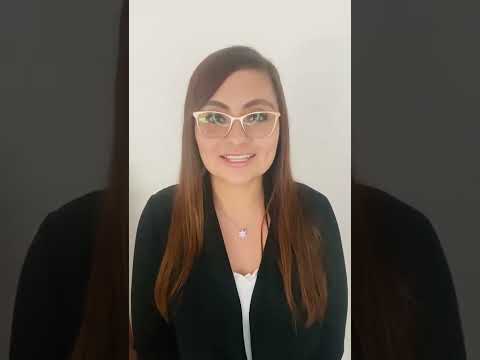
Lady Rios-Vega OTD, OTR/L, Thomas Jefferson University, inaugural Nancy Talbot Postdoctoral Research Fellowship Recipient, discusses her OT research to improve diversity of the occupational therapy workforce by supporting postdoctoral training for individuals from groups demonstrated to have low representation in the biomedical, behavioral, clinical and social sciences.