
Applications Open: 08/14/2025
Application Deadline: 11/21/2025
Overview
The Implementation Research Grant program supports research focused on helping occupational therapy practitioners take evidence-informed practice from theory to reality in their practice settings. This program addresses the critical 17-year average gap between when medical evidence is established and when practitioners consistently adopt new approaches in their clinical work.
Grant Amount: Up to $50,000
Duration: 1 year
Application Deadline: Check current funding cycle dates
Program Mission
Implementation Research Grants support studies that examine strategies to advance the adoption and integration of evidence-based health interventions into clinical and community settings, improving both individual patient outcomes and overall public health.
What We Fund
Implementation Research Grants support studies that investigate:
Funding Partnership
Implementation Research Grants are made possible through a generous grant from the National Board for Certification in Occupational Therapy (NBCOT). This partnership reflects our shared commitment to advancing evidence-based occupational therapy practice that improves patient outcomes.
Eligibility Requirements
Principal Investigator Qualifications
- Must hold a doctoral degree (PhD, ScD, EdD, or DrPH)
- Must be an occupational therapy practitioner or working in occupational therapy research
- Preference given to early-career researchers and those from underrepresented backgrounds, including individuals from underrepresented racial and ethnic groups in occupational therapy, those with disabilities, and those from underresourced communities.
- Must have institutional affiliation with research support capabilities
Project Requirements
- Focus on implementation science methodology
- Address clear gaps in evidence-based practice adoption
- Include measurable outcomes and implementation strategies
- Demonstrate potential for broader impact on occupational therapy practice
- Show collaboration with clinical practice settings
Application Process
Application Components
- Project Proposal: Detailed research plan with implementation science framework
- Budget and Justification: Comprehensive budget with line-item explanations
- Timeline: Project milestones and deliverables schedule
- Principal Investigator CV: Complete academic and research background
- Institutional Support: Letters confirming research infrastructure and support
- Literature Review: Comprehensive background and significance statement
Review Criteria
Applications are evaluated based on:
- Scientific Merit: Quality and rigor of research methodology
- Implementation Focus: Clear application of implementation science principles
- Practice Impact: Potential to improve evidence-based practice adoption
- Feasibility: Realistic timeline and achievable goals within the funding period
- Innovation: Novel approaches to implementation challenges
- Investigator Qualifications: PI’s expertise and institutional support
Building Research Capacity
The program supports the development of implementation science expertise within occupational therapy, building capacity for:
- Larger-scale implementation studies
- Federal funding applications (NIH, PCORI, AHRQ)
- Collaborative research networks
- Policy and practice change initiatives
Application Timeline
|
Stage |
Timeline |
|---|---|
|
Review Research Priorities & Guidelines |
Summer 2025 |
|
Application Materials Posted |
August 14, 2025 |
|
Letter of Intent Submission Opens |
August 14, 2025 |
|
Letter of Intent Deadline |
September 19, 2025, 11:59 p.m. ET |
|
Invitations to Submit Full Application |
October 6-10, 2025 |
|
Full Application Deadline |
November 21, 2025, 11:59 p.m. ET |
|
Summary Statements & Award Notifications Sent |
March 2026 |
Check current funding cycle dates and application materials here
Grant Recipients

Jennifer A. Weaver, PhD, OTR/L
Colorado State University
Contextualized Training as an Implementation Strategy for Shared Decision Making in Disorders of Consciousness Rehabilitation
Mentor: Arlene A. Schmid, PhD, OTR/L, FAOTA

Adam R. Kinney, PhD, OTR/L
Denver Research Institute
Implementing Occupation-Based Metacognitive Strategy Training for Veterans with TBI in the VHA Polytrauma/TBI System of Care
Mentor: Nazanin H. Bahraini, PhD (Rocky Mountain MIRECC)
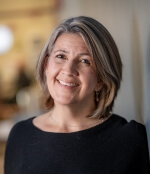
Danielle Amero, OTD, OTR/L, CHT
Massachusetts College of Pharmacy and Health Sciences
Evaluating the Implementation of the Coordinated Occupational Therapy Intake Process (COTIP) in Community Behavioral Health
Mentor: Kathleen Lyons, OT, ScD, OTR/L

Jessica Edelstein, PhD, OTR/L
Rehabilitation Institute of Chicago dba Shirley Ryan AbilityLab
Complementary Implementation and De-Implementation Strategies to Close the Evidence-Practice Gap in Stroke Upper Extremity Rehabilitation
Mentor: Miriam Rafferty, DPT, PhD, PT

Janell Pisegna, PHD, OTR/L, CSRS
Colorado State University
Multifaceted Implementation Program for Occupational Therapy Practitioners Addressing Anxiety and Depressive Symptoms in Home and Community Care
Mentor: Lisa Juckett, PhD, OTR/L, CHT

Brocha Stern, PHD, OTR
Icahn School of Medicine at Mount Sinai
Characterizing and Refining Implementation of a Personalized Patient-Reported Outcome Measure in Outpatient Care
Mentor: Natalie E. Leland, PhD, OTR/L, BCG, FAOTA, FGSABCG, FAOTA, FGSA
Mentor: Miriam Rafferty, DPT, PhD, PT

Areum Han, PhD, OTR/L
University of Alabama at Birmingham
Implementing an Occupational Therapist-Led Acceptance and Commitment Training Group for Parents in Pediatric Outpatient Clinics
Mentor: Hee Yun Lee, PhD

Laura Swink, PhD, OTR/L
Colorado State University
Social Prescription for Loneliness in Community-based Group Exercise Classes for People with Parkinson’s Disease
Mentor: Cory Christiansen, PhD, PT

Lauren Wengerd, PhD, OTR/L
The Ohio State University
Identifying Evidence-Based Practice Gaps in Stroke Rehabilitation to Maximize Research Impact: A Video Observational Study
Mentor: Timothy J. Wolf, PhD, OTD, OTR/L, FAOTA

Chiao-Ju Fang, PhD, MA, OTR/L
San Jose State University
Implementation of App-based Coaching Intervention (Social Participation and Navigation; SPAN) to Promote Participation of Young Adults with Autism Spectrum Disorders (ASD)
Mentor: Laurie Drabble, PhD
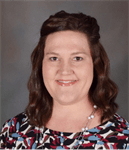
Angela Shierk, PhD, OTR
Texas Woman’s University
Implementation of Therapy Together, a Pediatric Constraint Induced Movement Therapy Program, with Early Childhood Intervention
Mentor: Janet Prvu Bettger, ScD

Aviva Wolff, EdD, OTR, CHT
Hospital for Special Surgery NYC
Implementation Science to Prevent and Reduce Musculoskeletal Occupational Injuries in Musicians
Mentor: Laura Robbins, PT, DPT

Anna Boone, PhD, MSOT, OTR/L, CBIS
University of Missouri
Analysis, Refinement, and Implementation: Emphasizing Practical Implementation of Functional Cognitive Assessments
Mentor: Dorothy Farrar-Edwards, PhD

Janet Njelesani, PhD, OTR/L, FAOTA
New York University
Implementing an Occupational Therapy Intervention to Support Young Caregivers
Mentor: Aimee James, PhD, MPH, MA

Jennifer Weaver, PhD, MA, OTR/L, BS, CBIS
Colorado State University
Identifying Implementation Strategies to Facilitate Adoption of a Recovery Ruler in Clinical Practice
Mentor: Trudy Mallinson, PhD, OTR/L, FAOTA, FACRM

Lisa Juckett, PhD, OTR/L, CHT
Ohio State University
Strategies to Promote the Implementation of Outcome Measures in Stroke Rehabilitation
Mentor: Amy Darragh, PhD, OTR/L, FAOTA

Roberta Pineda, PhD, OTR/L, CNT
University of Southern California
Implementation of the Baby Bridge Program via Telehealth to Enhance Access to Early Intervention Services in Los Angeles
Mentor: Carol Peden, MB, ChB, MD, FRCA, FFICM, MPH

Sally Wasmuth, PhD, OTR
Trustees of Indiana University
Implementation of Narrative Theatre for Occupational Justice Promotion
Mentor: Dawn Bravata, MD

Mary Khetani, Sc.D., OTR/L
University of Illinois at Chicago
Implementation of Electronic Shared Decision-Making Support for Families to Design and Monitor Participation-Focused Early Intervention
Mentor: Natalie Leland

Chiung-ju Liu, PhD, OTR/L, FGSA
University of Florida College of Public Health and Health Professions
Implementing 3-Step Workout for Life to Improve ADL Outcomes in Home Health
Mentor: Michael Marsiske

Kelly Tanner, PhD, OTR/L, BCP
Nationwide Children’s Hospital
Implementing Parent Coaching in Occupational Therapy for Young Children with Cerebral Palsy: A Multi-Site Project
Mentor: Nathalie Maitre
Resources for Applicants
Implementation Science Training
- Planning Grant Collectives: Collaborative workshop opportunities
- WISH Workshop: Workshop in Implementation Science and Health Grant Writing
- Research Resources: Implementation science toolkits and guides
Grant Writing Support
- Dissemination toolkits are available in our Research Resources library
- Mentorship connections through AOTF networks
- Previous recipient success stories and lessons learned
Grant Policy on AI
- For Applicants: While AOTF does not prohibit the use of AI tools to assist in the writing of proposals (e.g., spell-check and language suggestions), applicants remain fully responsible for ensuring their proposals are factually accurate, clearly written, and appropriately cited. Any AI-generated text must be clearly acknowledged in the application using footnotes.
- For Reviewers: Reviewers are prohibited from uploading AOTF applications into any AI systems due to concerns with confidential and proprietary information. To ensure integrity and confidentiality is upheld, grant reviewers will be required to submit a confidentiality agreement form prior to starting the review process.